Luxury pop-ups in China now need to do far more than create a visually impressive moment.
Senior retail and marketing leaders need activations that turn attention into participation, participation into customer identification, and brand emotion into a relationship the business can continue after the event.
In this article, we examine what BYREDO’s Future Memories pop-up in Shanghai reveals about the luxury customer journey in China, where the experience appears strongest, where it still seems under-orchestrated, and what luxury decision-makers should apply to their own activations.
Executive Summary:
1. BYREDO’s pop-up is strategically coherent because it operates as a customer journey rather than a temporary visual installation.
2. Its most effective features are a location that attracts a high-quality audience, participatory interaction design, and a registration flow that appears integrated into the retail experience.
3. The activation shows how luxury brands in China can connect storytelling, product experience, and first-party data capture without making the journey feel purely transactional.
4. The clearest opportunity is earlier, more deliberate clienteling orchestration during the visitor’s highest-intent moment.
5. The broader lesson is that luxury customer journey design in China should be judged by relationship continuity, not just aesthetics, traffic, or social buzz.
Table of contents
Why China Luxury Pop-ups Now Need a Customer-journey Logic
China’s luxury market is asking more from offline activations than it did a few years ago.
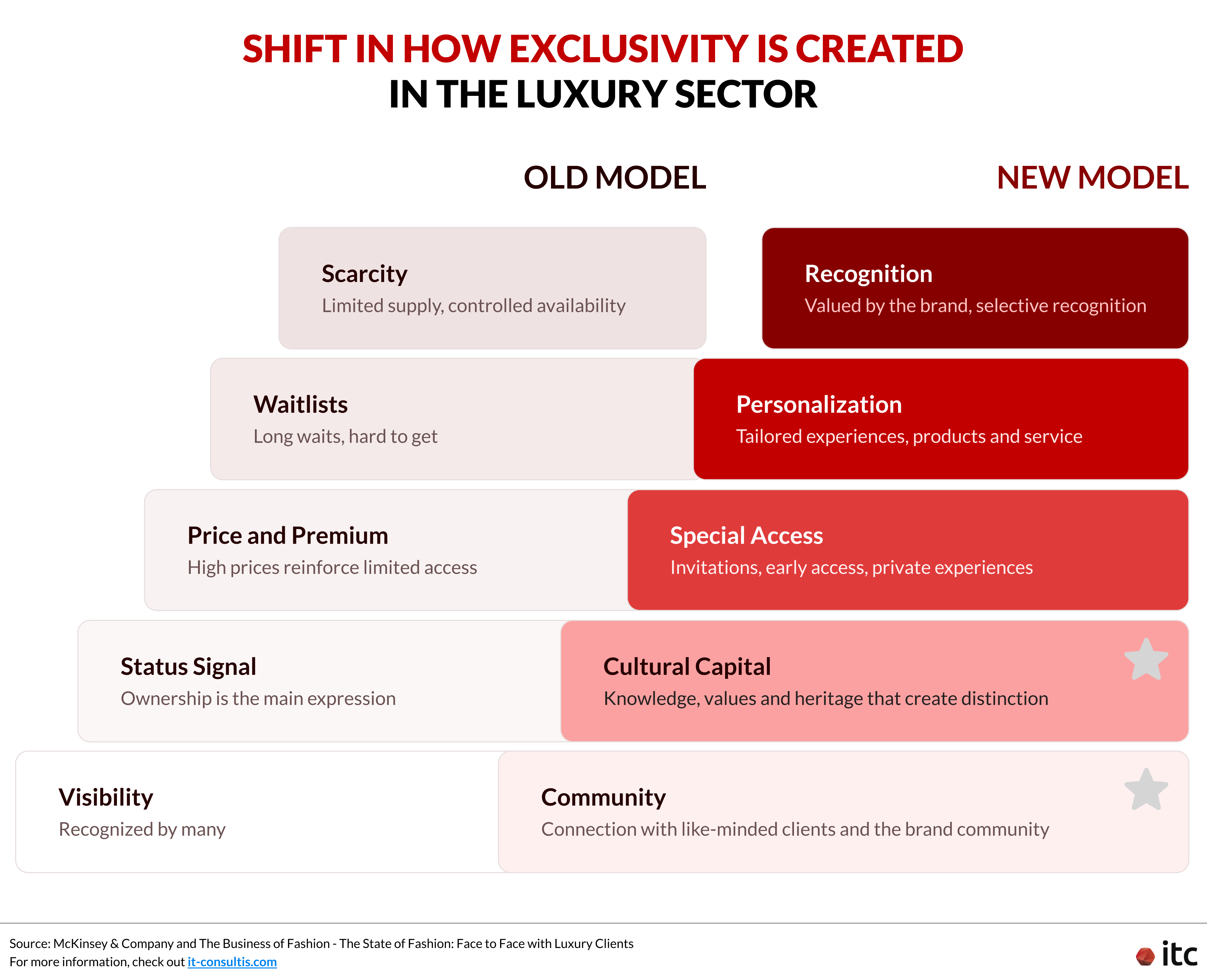
According to McKinsey and The Business of Fashion’s The State of Luxury report in June 2026, physical stores remain important in China because they help brands create emotional connections and memories, while storytelling, personalization, and knowledgeable sales relationships shape the experience.
That raises the performance threshold for pop-ups.
A luxury brand can no longer treat the format as a short-term awareness play with a photogenic set and a high-traffic address.
In China, the more useful strategic question is whether the activation converts brand attention into a usable relationship asset.
A high-performing luxury customer journey in China typically needs to do four jobs at once:
- Attract the right audience, not just a large audience
- Turn the campaign idea into a form of participation
- Capture a customer relationship in a way that feels native to the experience
- Create a credible bridge to follow-up after the visit
Viewed through that lens, BYREDO’s Future Memories pop-up is commercially interesting because the experience appears designed to handle most of these jobs in one coherent flow.
What BYREDO Got Right in the Shanghai Pop-up
1. The Location Supports Audience Quality, Not Just Exposure
The observed activation at Jing’an Kerry Centre in Shanghai appears to benefit from the type of luxury context that matters commercially in China:
- Premium surroundings
- Natural footfall
- Proximity to audiences already comfortable with prestige retail environments
That matters especially in fragrance, where curiosity, impulse trial, and sensory discovery play an outsized role in conversion.
A site that is too hidden limits trial. A site that is too indiscriminate can dilute premium perception. This location appears to support visibility without abandoning elevation.
The lesson is straightforward: footfall quality matters more than raw traffic volume.
In luxury customer journey design in China, brands should favor a location that attracts a high-quality audience and where discovery feels organic rather than forced.
2. The Experience Turns Brand Concept into Participation
Effective activations do not stop at visual coherence. They give visitors a behavior that makes the brand idea more memorable and more personally felt.
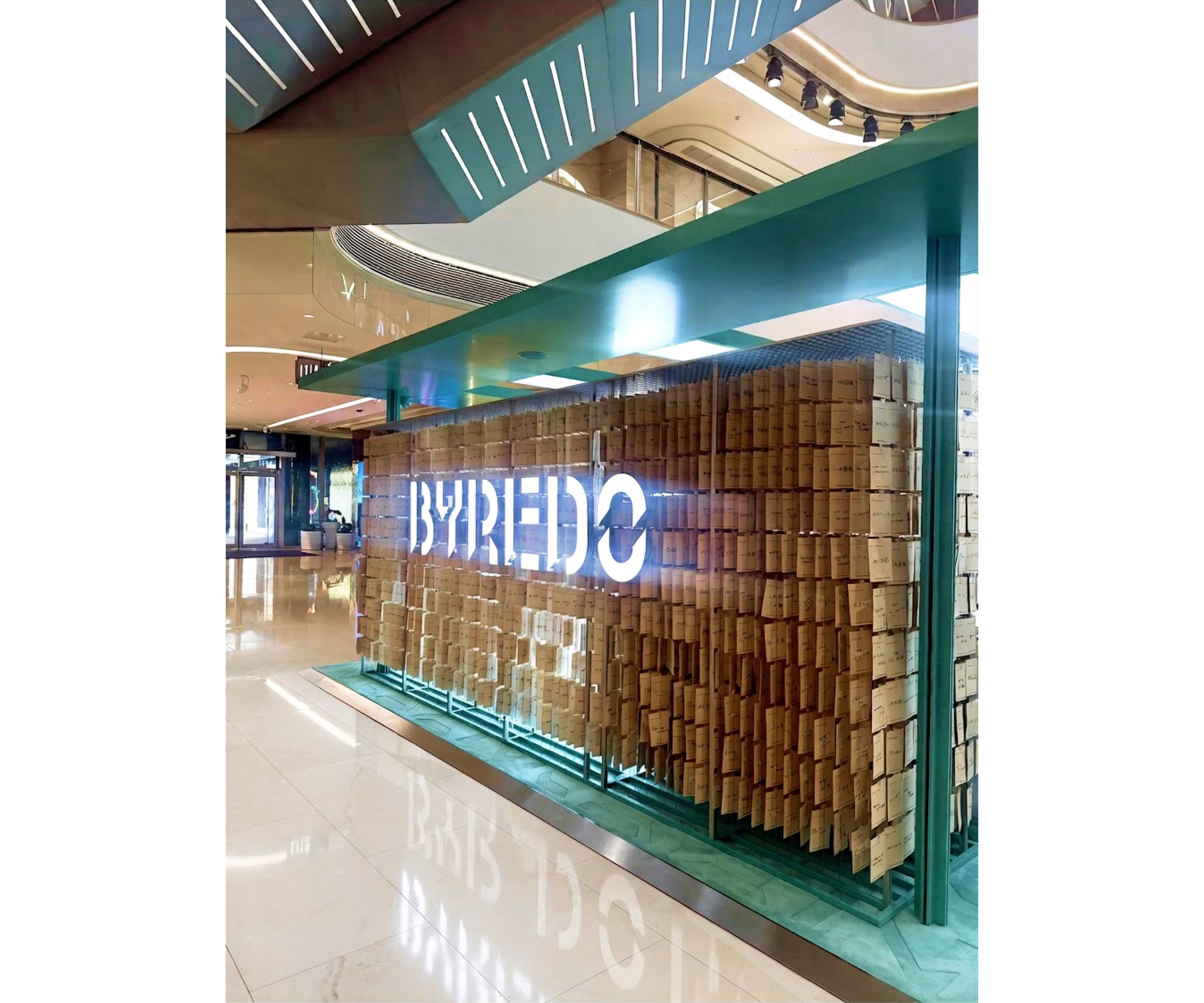
Here, a card wall carrying the reported wording “Today, I choose to…” appears to do exactly that. The interaction gives visitors a simple but active role in the campaign environment.
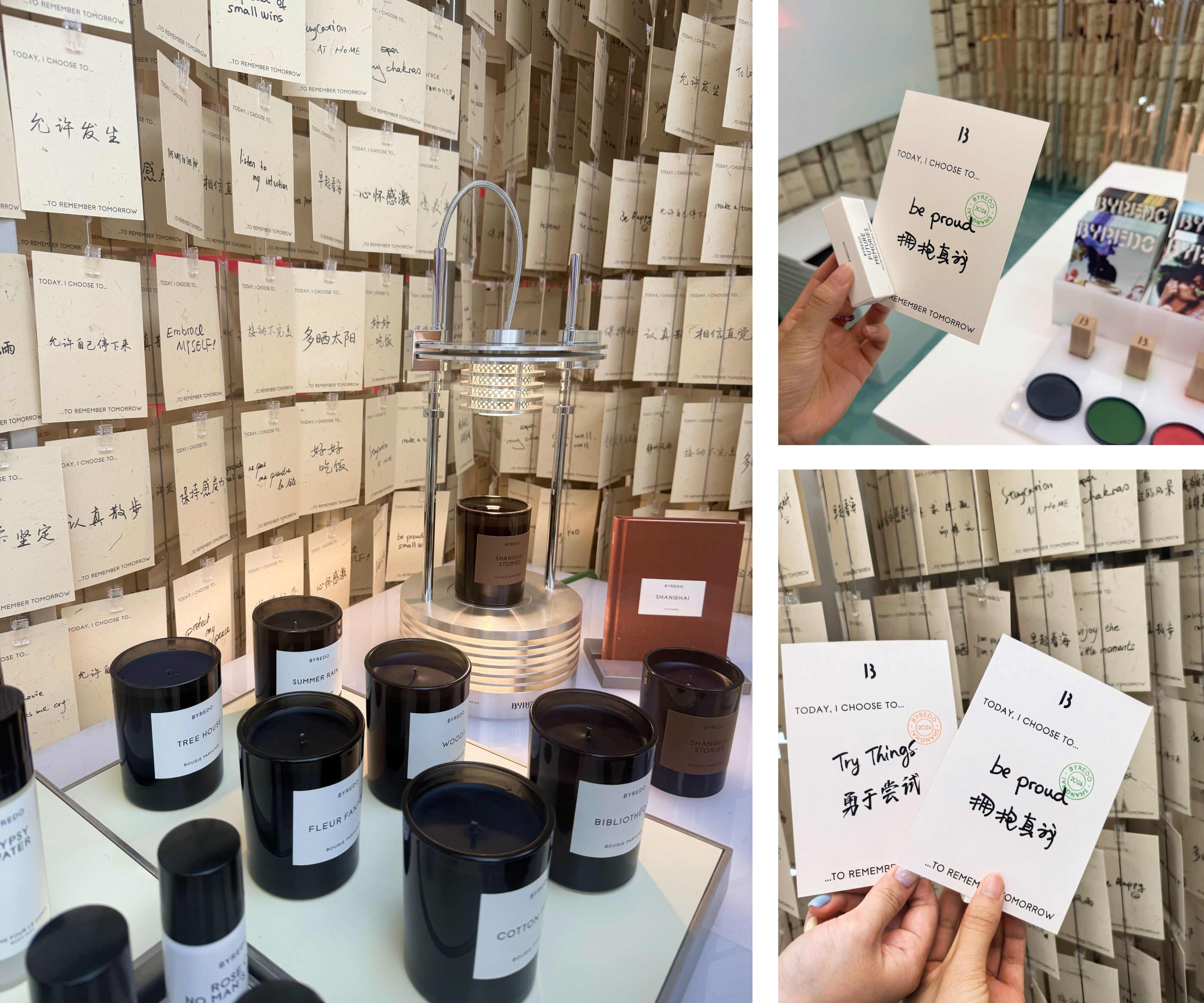
Instead of remaining observers, they contribute a gesture that makes the experience more personal, more socially legible, and more likely to stay in memory.
This distinction matters. Many luxury pop-ups in China invest heavily in atmosphere but offer little meaningful participation. The activation suggests a more disciplined approach: the concept is not only seen, but enacted.
3. The Registration Flow Appears Integrated into Customer Capture
The pop-up experience points to a more deliberate customer relationship management (CRM) layer than a purely awareness-led activation. The BYREDO WeChat Mini Program appeared to serve a purpose beyond event participation.
Staff guided interested visitors to register through the Mini Program, with registration tied to an acquisition benefit for visitors identified as new members and processed directly through the POS flow.
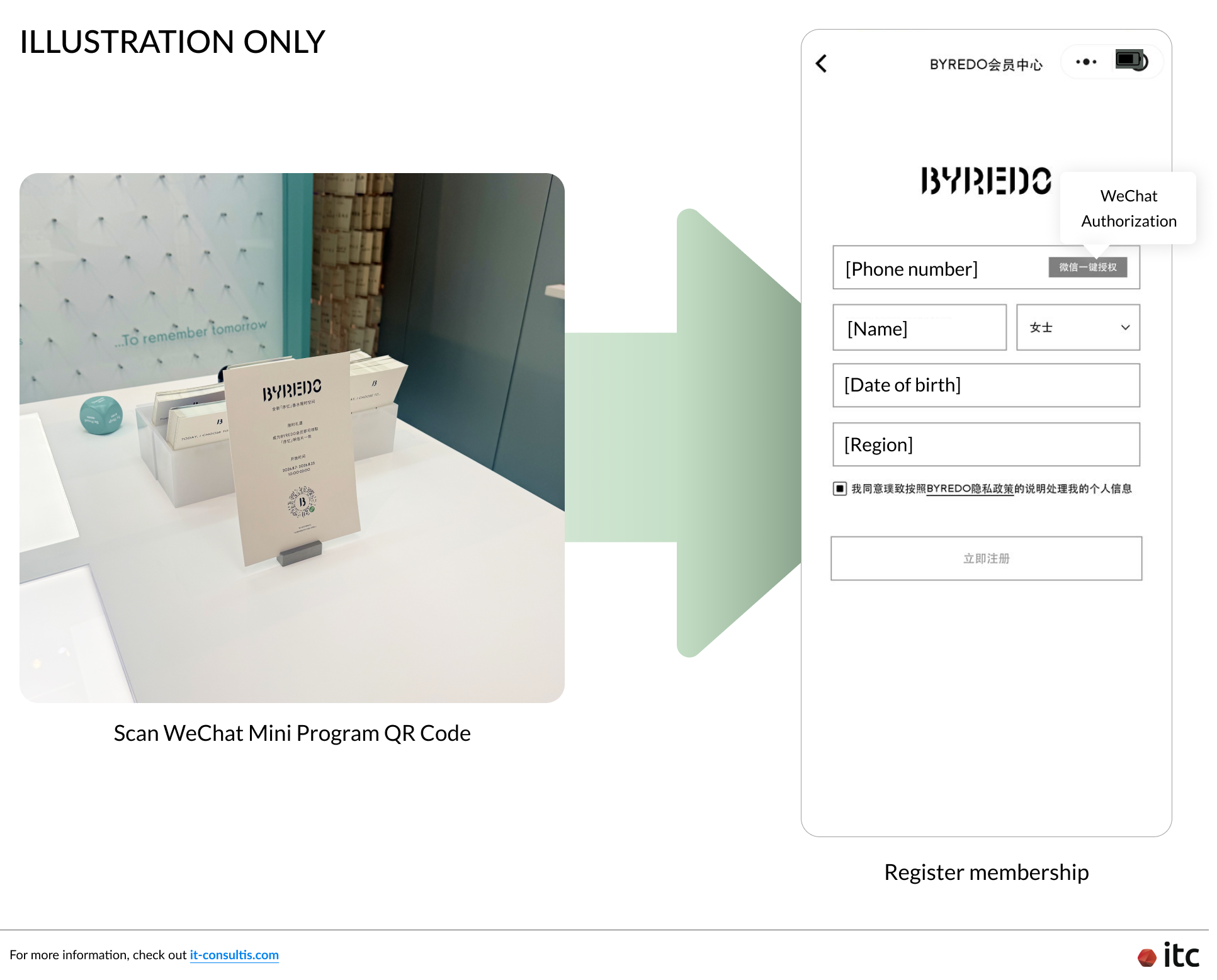
The interaction also distinguished new registrants from visitors already linked to an existing customer record, which can influence benefit eligibility.
This suggests cross-channel customer recognition and incentive logic rather than a standalone campaign mechanic.
The significance is not simply that data is being collected. It is that the capture step is woven into the journey itself, making the transition from experience to customer identification feel more natural and commercially useful.
For luxury brands in China, the broader point is straightforward: member acquisition quality matters more than registration volume.
The real value lies in capturing the right person, in the right context, with logic clean enough to support segmentation and follow-up later.
4. The Scented Postcard Reinforces Category Fit
One of the more distinctive features is the scented postcard mechanic. The experience gives visitors more than a visual reminder of the event: it gives them an object that carries the product category itself.
That helps keep storytelling tied to scent, not just to staging. For a fragrance brand, memory should live in the product experience as much as in the physical environment.
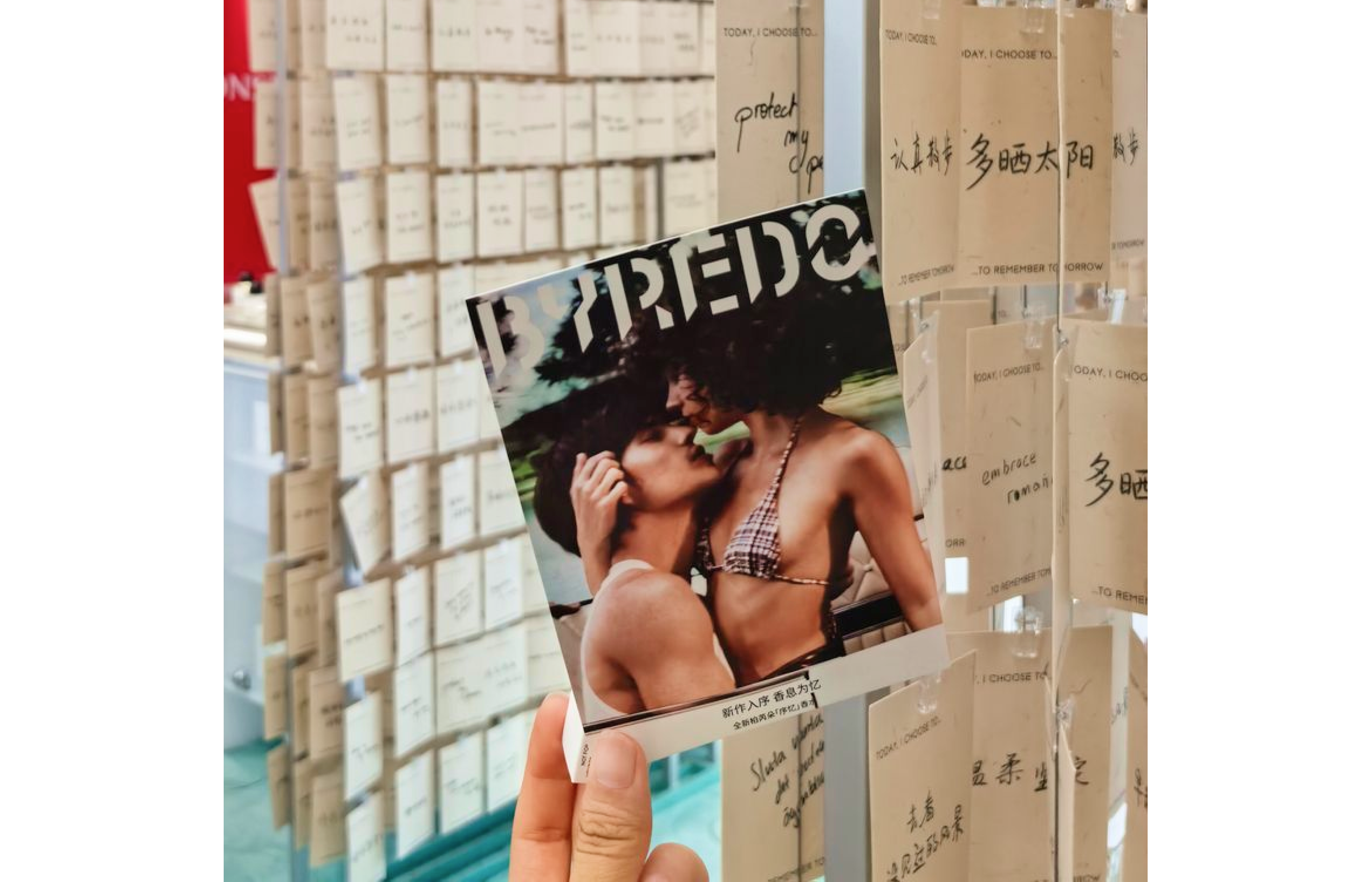
The postcard works on several levels at once:
- It creates a customized takeaway rather than a generic branded handout
- It extends the memory of the visit beyond the site itself
- It links the campaign concept directly to fragrance trial
- It makes the value exchange feel more premium and category-relevant
According to the official BYREDO Future Memories product page, the scent is framed around the relationship between the present moment and the memory it becomes. The postcard interaction is consistent with that framing because it turns product experience into a portable memory cue.
Where the Luxury Pop-up Experience Needs More Deliberate Clienteling Orchestration
The clearest opportunity is not conceptual. It is operational orchestration.
At present, a follow-up layer already exists. Adding a sales associate on WeCom triggers a welcome message and directs the customer back into the loyalty WeChat Mini Program.
That is an important signal because it indicates that relationship continuity is possible within the ecosystem.
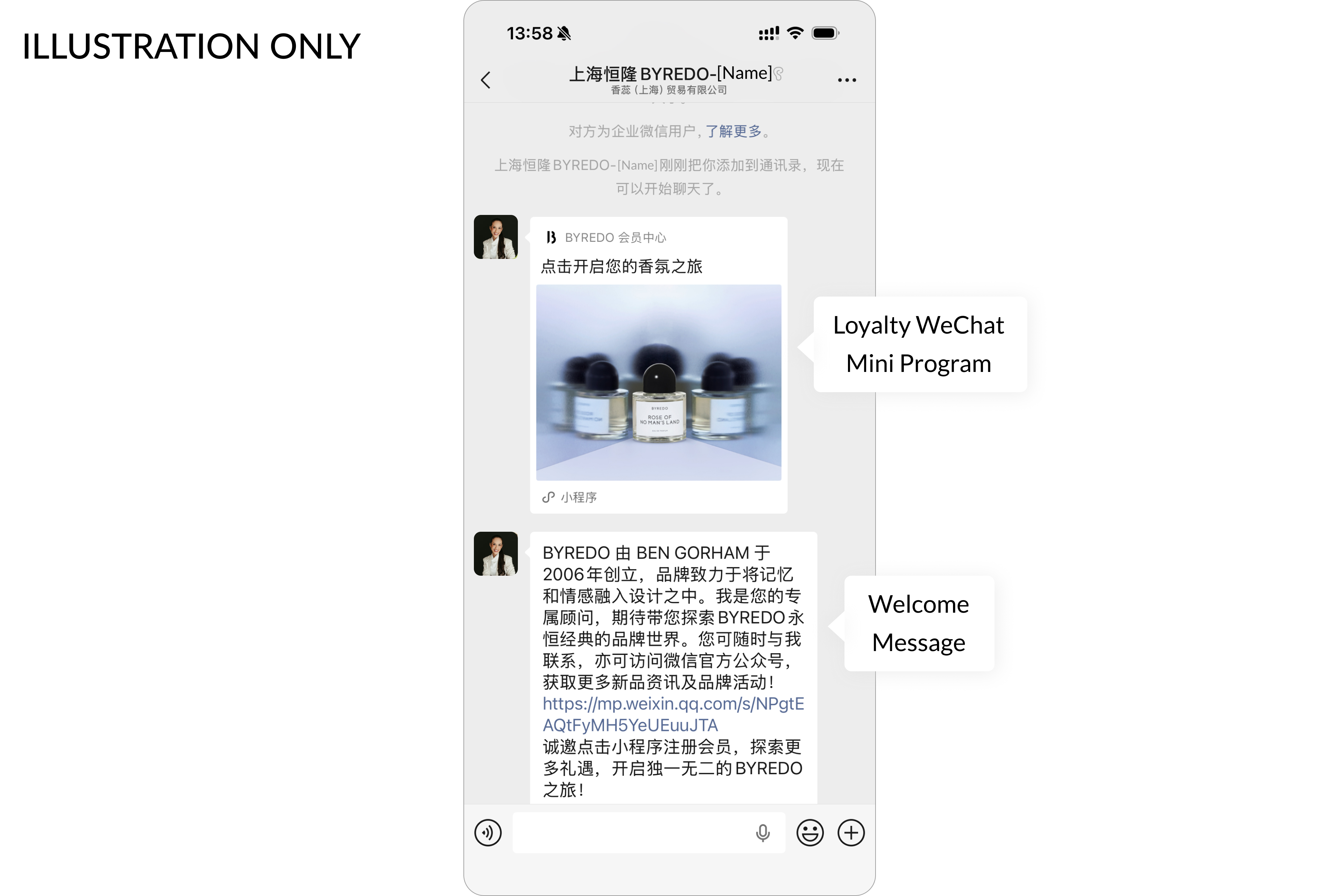
The more important question is timing. The clienteling bridge does not appear to be introduced early or deliberately enough during the moment when visitor interest is highest.
In luxury retail, that matters because pop-ups create a temporary concentration of curiosity, receptivity, and purchase intent. If the relationship handoff happens too late, part of that value dissipates.
This is where the journey still seems underused. The implication is not necessarily a need for a new system. The opportunity may be a clearer operating rule for when and how the clienteling layer is introduced.
For example, when a visitor shows clear category interest but is not ready to purchase immediately, that is often the right point to offer a brand-consistent reason to continue the relationship
In China, that can mean a WeCom or Mini Program touchpoint framed as premium service continuity rather than as a blunt CRM collection step.
Three Principles for Designing Higher-value Activations
The value of this pop-up example is not that every luxury brand should copy BYREDO’s creative language. It is that the activation appears to connect audience, experience, capture, and follow-through rather than operating as a purely visual spectacle.
For decision-makers, use a compact three-stage lens:
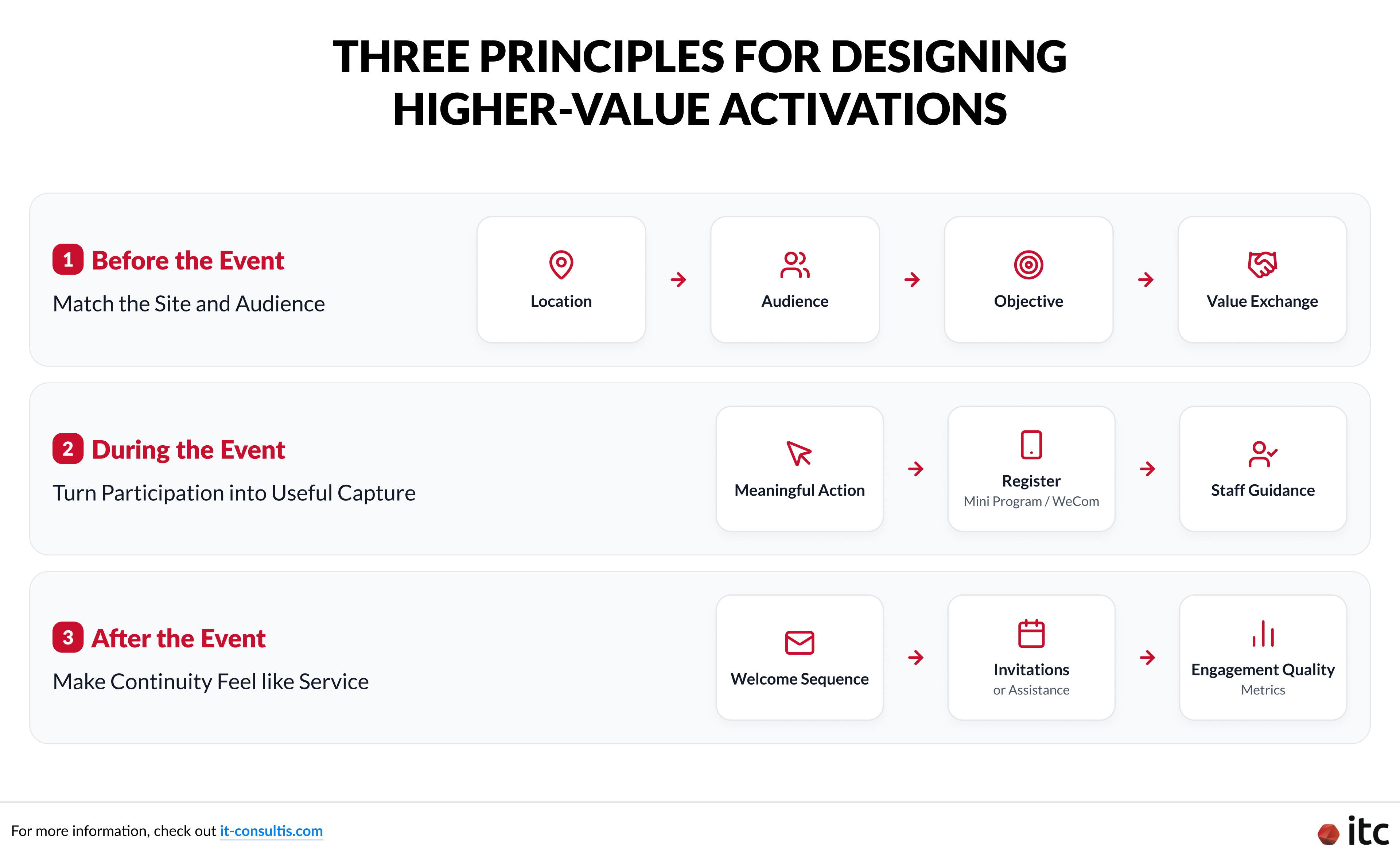
Before the Event: Match the Site and Audience
- Choose a location that attracts a high-quality audience, then map the mix of destination shoppers, nearby professionals, and natural passersby.
- Define the commercial objective before launch: product trial, membership growth, appointments, clienteling, or a combination.
- Decide what value the visitor receives for registering or continuing the relationship, so the exchange feels premium rather than administrative.
During the Event: Turn Participation into Useful Capture
- Give visitors a meaningful action that expresses the campaign idea instead of relying only on photo opportunities.
- Introduce WeChat Mini Program registration or WeCom when interest is high and the service value is easy to understand.
- Equip staff to explain the next step as continued assistance, access, or personalization—not as a generic data-collection request.
After the Event: Make Continuity Feel like Service
- Set a timely, brand-consistent welcome or follow-up sequence, while keeping the exact mechanics appropriate to the approved operating model.
- Use WeCom or the Mini Program to support invitations, assistance, product discovery, or relevant post-event engagement.
- Evaluate the quality of opt-ins, follow-up engagement, appointments, and repeat behavior—not only footfall, impressions, or photo volume.
This lens keeps the commercial question in view without reducing the activation to a technical blueprint.
Conclusion
BYREDO’s Future Memories pop-up offers a useful example of luxury customer journey design in China executed with discipline.
It combines a high-quality location, participatory storytelling, product-relevant personalization, and a registration flow connected to customer capture rather than standalone awareness.
Its main opportunity is not to rethink the concept, but to tighten the relationship layer at the moment of strongest visitor intent. Introduce the clienteling bridge more deliberately at that point, and the activation becomes materially stronger as a post-visit commercial engine.
For decision-makers, the takeaway is clear: evaluate pop-ups not only by aesthetics, traffic, or social visibility, but by whether they create a high-quality path from brand emotion to an owned customer relationship.
That standard increasingly separates attractive activations from strategically effective ones in China.
At IT Consultis (ITC), we help brands turn offline activations into connected customer journeys by linking Mini Programs, WeCom clienteling, CRM capture, and post-visit follow-up into one commercially usable flow.